

Interviews
A Look Inside Dabito's Color-Drenched Dream Home
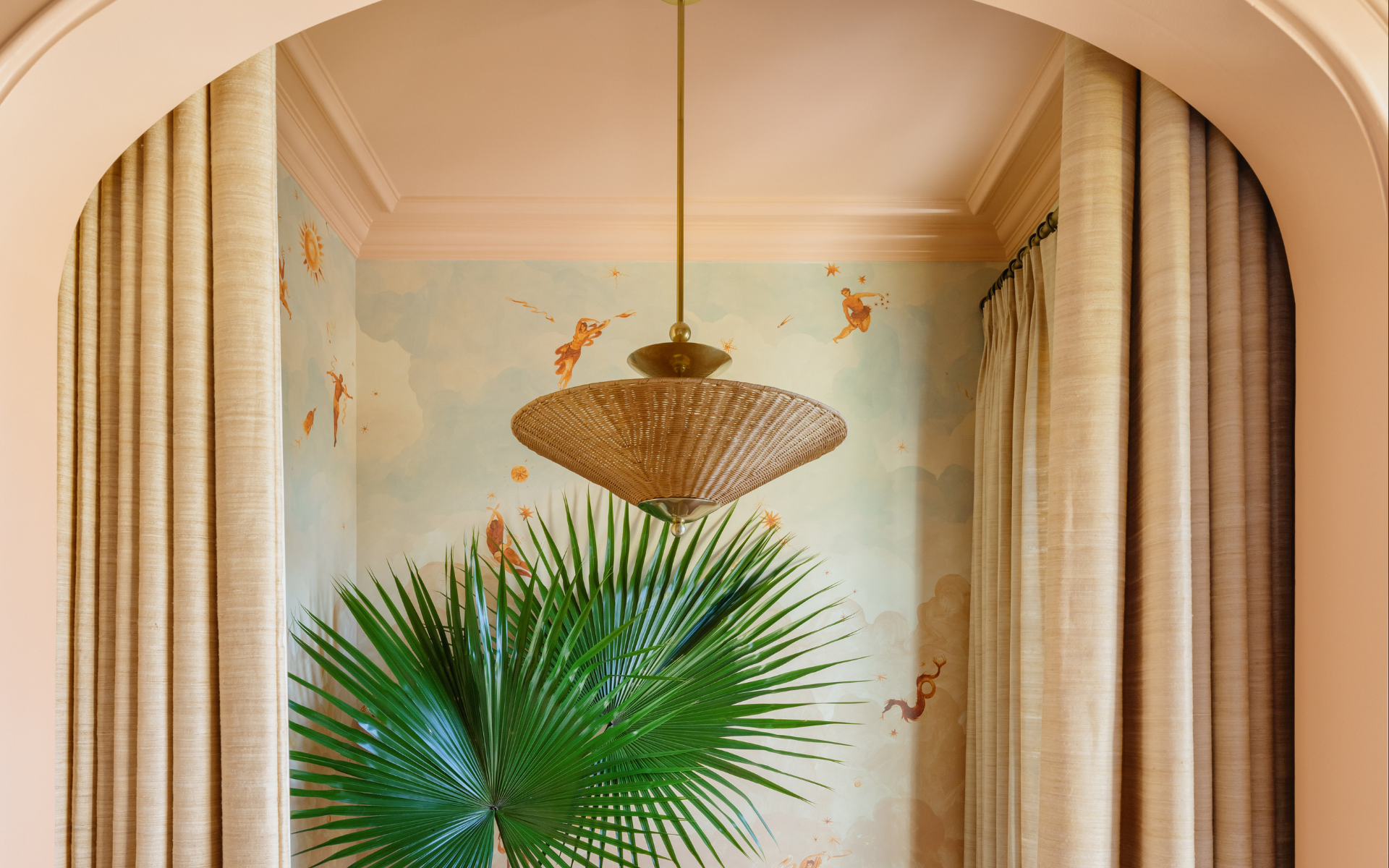
Minimalism was never an option for Dabito’s New Orleans home. The designer and author of Old Brand New: Colorful Homes for Maximal Living has encouraged others to tell a story through their homes with color, so when it came time to design his home, it was only natural that it became a colorful oasis. His maximalist designs have earned him features in Architectural Digest and collaborations with brands like HVLG’s own Mitzi. We spoke to Dabito about the process behind building and designing a brand new home.
What influences most strongly shape your design approach—travel, architecture, other designers, or something else?
Dabito: It’s an inspiring combination of things. Sometimes it’s as simple as taking a stroll around my vibrant neighborhood in New Orleans. Other times, it’s visiting a museum and absorbing the work of an artist like Salman Toor, or traveling to different cities and discovering fresh artists, like Gallery Medium in Ho Chi Minh City. Inspiration can also spark from a fashion designer's color palette, like Dries Van Noten’s latest collection, or from experiencing transportive hospitality design, like the Hotel Chelsea in NYC.
When did you first know you wanted to become an interior designer, and was there a defining moment or piece of advice that shaped your path?
Dabito: I studied printmaking and graphic design, and for a long time, I thought graphic design was the definitive path I would live out. It wasn’t until about four years into running my blog, Old Brand New, that I realized my true passion lay in interior design. The defining moment happened when I designed a living room for my boyfriend at the time; seeing the transformation made me realize just how meaningful the process was, and how much I absolutely loved it.
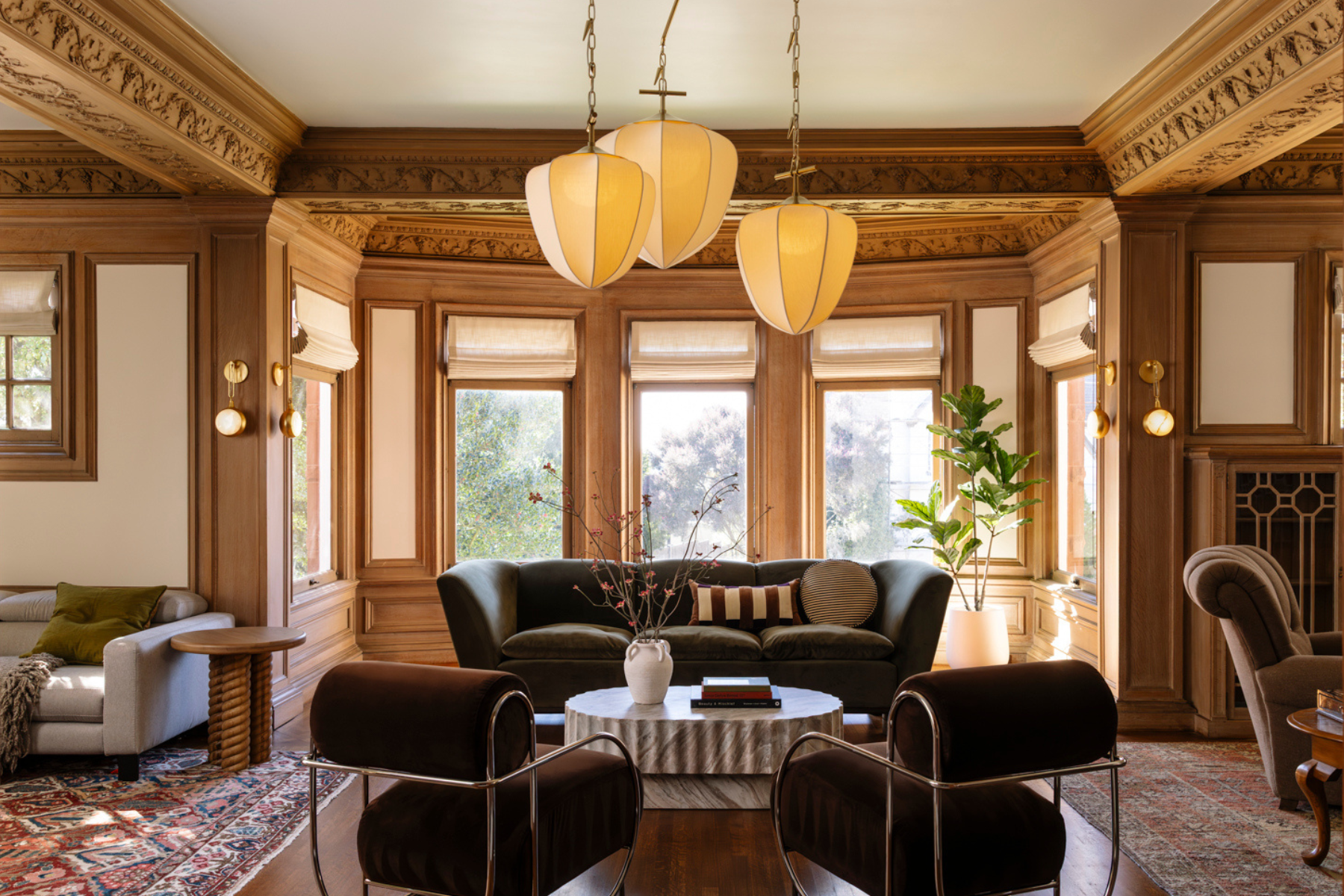
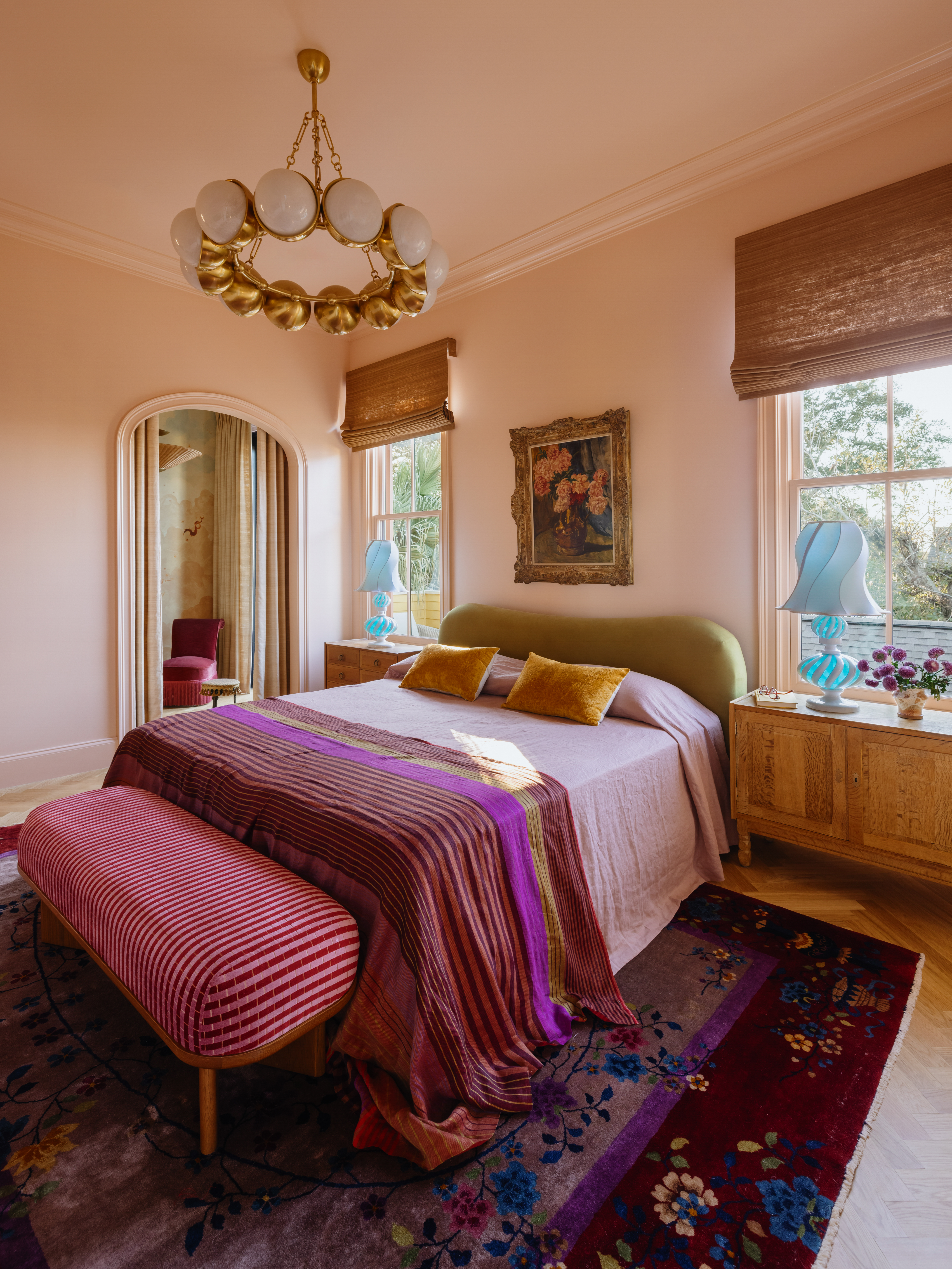 Althea Chandelier by Corbett Lighting
Design & Photo throughout: Dabito
What are your first steps when approaching a new project, and which part of the design process do you find most rewarding?
Dabito: I always begin by establishing the hierarchy of design. In many ways, I approach it like graphic design. I look at what we are creating, how the space needs to function, and how it will ultimately serve the people living in it. From there, I focus on the narrative: the story, the color palette, the focal point, and the scale. Balancing all of those fun, moving parts is incredibly rewarding.
What atmosphere were you hoping to create in this project, and how did lighting help bring that vision to life?
Dabito: Because this was my first ground-up and our forever home, the planning required a lot of deep intention. I wanted the spaces to feel vibrant and lively, while still serving as an ode to history. Most importantly, I wanted a welcoming environment where family and friends could gather and hang out. Lighting played a massive role, especially in terms of establishing scale and making bold statements. Moving from Los Angeles, I was used to eight-foot ceilings, so working with nearly twelve-foot ceilings in this home was an absolute treat.
How do you strike a balance between visual impact and everyday functionality in your designs?
Dabito: Lighting is actually the perfect medium for striking that balance. Because fixtures live overhead, they don't take up functional real estate in a room. That vertical freedom allows you to truly splurge, take risks, and deliver a major visual impact without compromising the usability of the space.
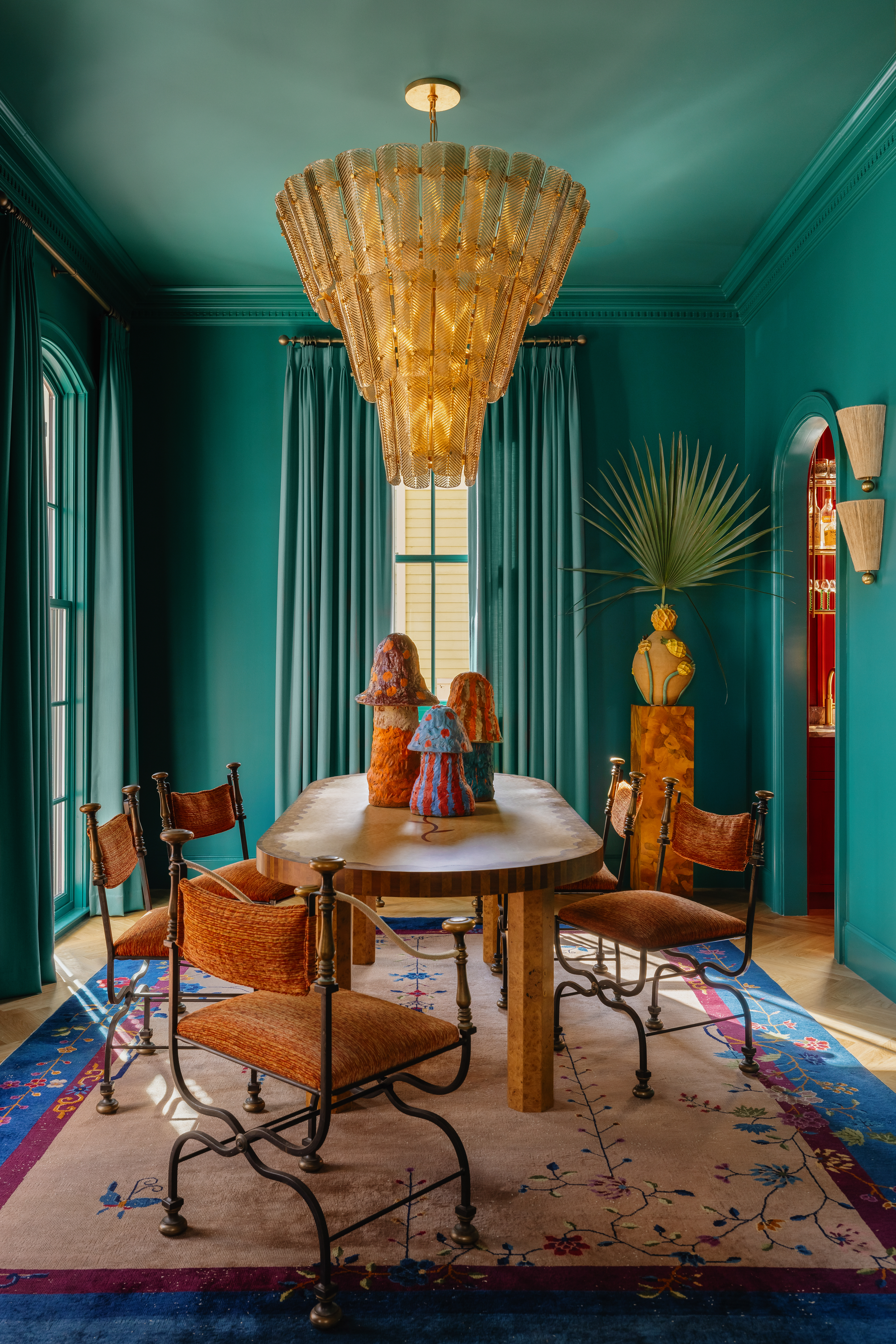
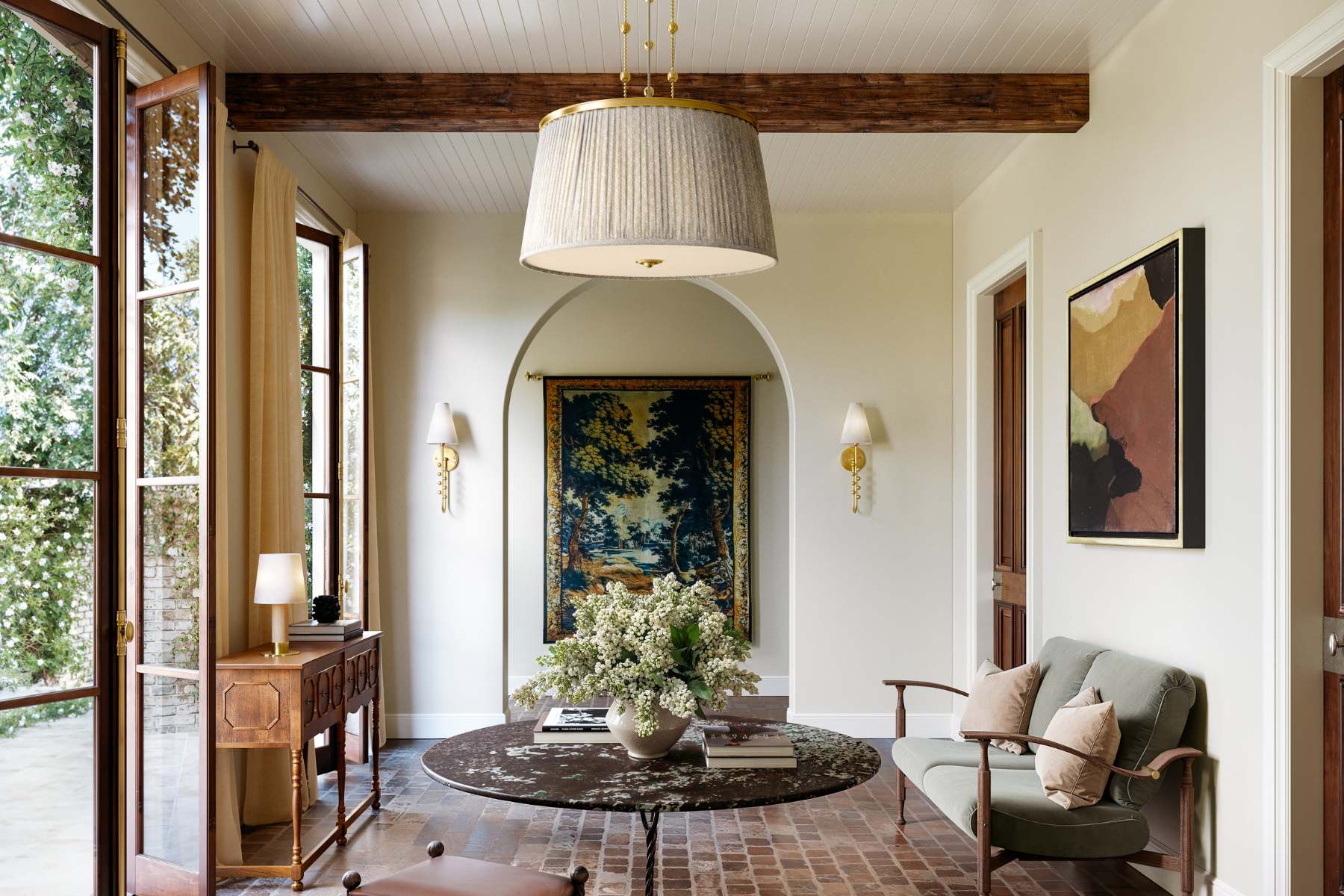
Cassian Chandelier by Hudson Valley Lighting and Song Wall Sconces by Mitzi
What made Hudson Valley Lighting Group the right partner for this project, and how did their design language and values align with your aesthetic?
Dabito: As a long-term partner of Hudson Valley Lighting Group, collaborating on this project was an absolute no-brainer. The collection offers an incredible breadth of styles and materials. I’ve always believed that lighting acts as the ultimate jewelry for a room—it styles the space and infuses it with immense personality. They are essentially works of art for the ceiling. I was particularly drawn to the silhouettes inspired by Italian design, which lent themselves beautifully to the architecture, and I appreciate that they offer a wide range of accessible price points.
Was there a particular fixture, material, or form that became a focal point within the space?
Dabito: The designs featuring glass really stood out to me during the selection process. In particular, the St. Lawrence chandelier and the Watertown chandelier became major anchors that dictated the overall vibe and aesthetic continuity throughout the home.
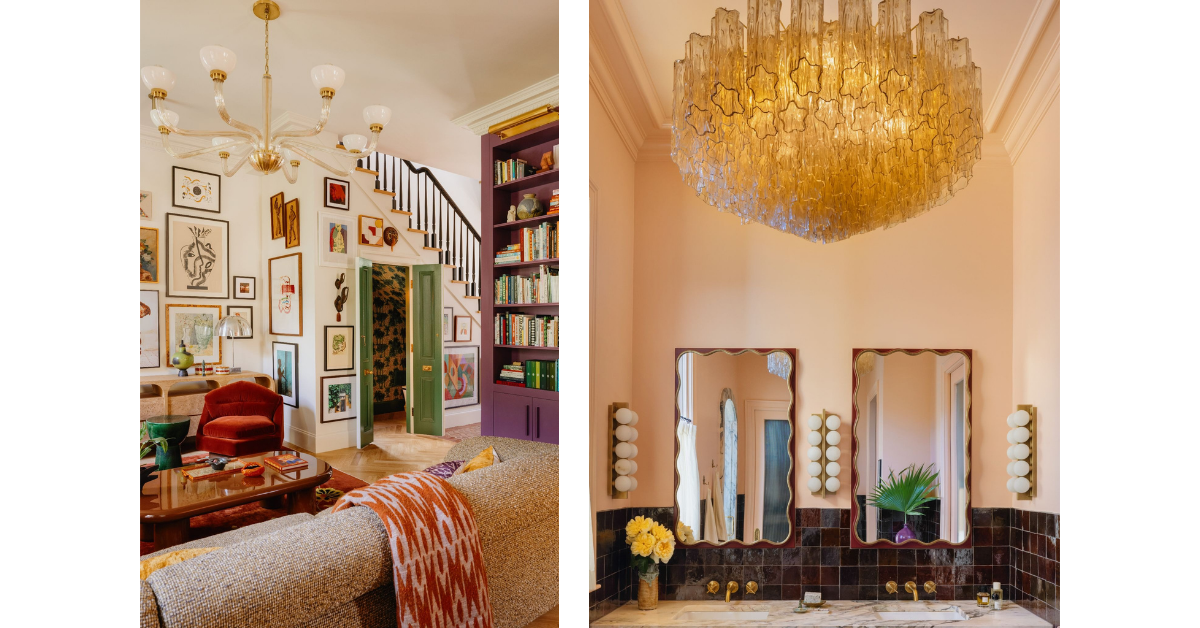
Left: St. Lawrence Chandelier and Merrick Picture Lights by Hudson Valley Lighting;
Right: Watertown Chandelier by Hudson Valley Lighting and Emille Wall Sconce by Corbett Lighting
What lighting decision or design risk in this project are you most proud of, and why did it pay off?
Dabito: I was initially a bit nervous about going too large with the scale, as I had never spec’d out chandeliers quite this massive before. Taking that leap entirely paid off. They command the rooms beautifully and really make the spaces shine.
What design trends are you personally drawn to right now, and how were you able to incorporate them into this project?
Dabito: Right now, I am loving the rich mix of materiality and bold color pairings dominating design. I fully embraced that direction here. I wrote a book about it in Old Brand New! So it naturally aligns with my love for maximal living.
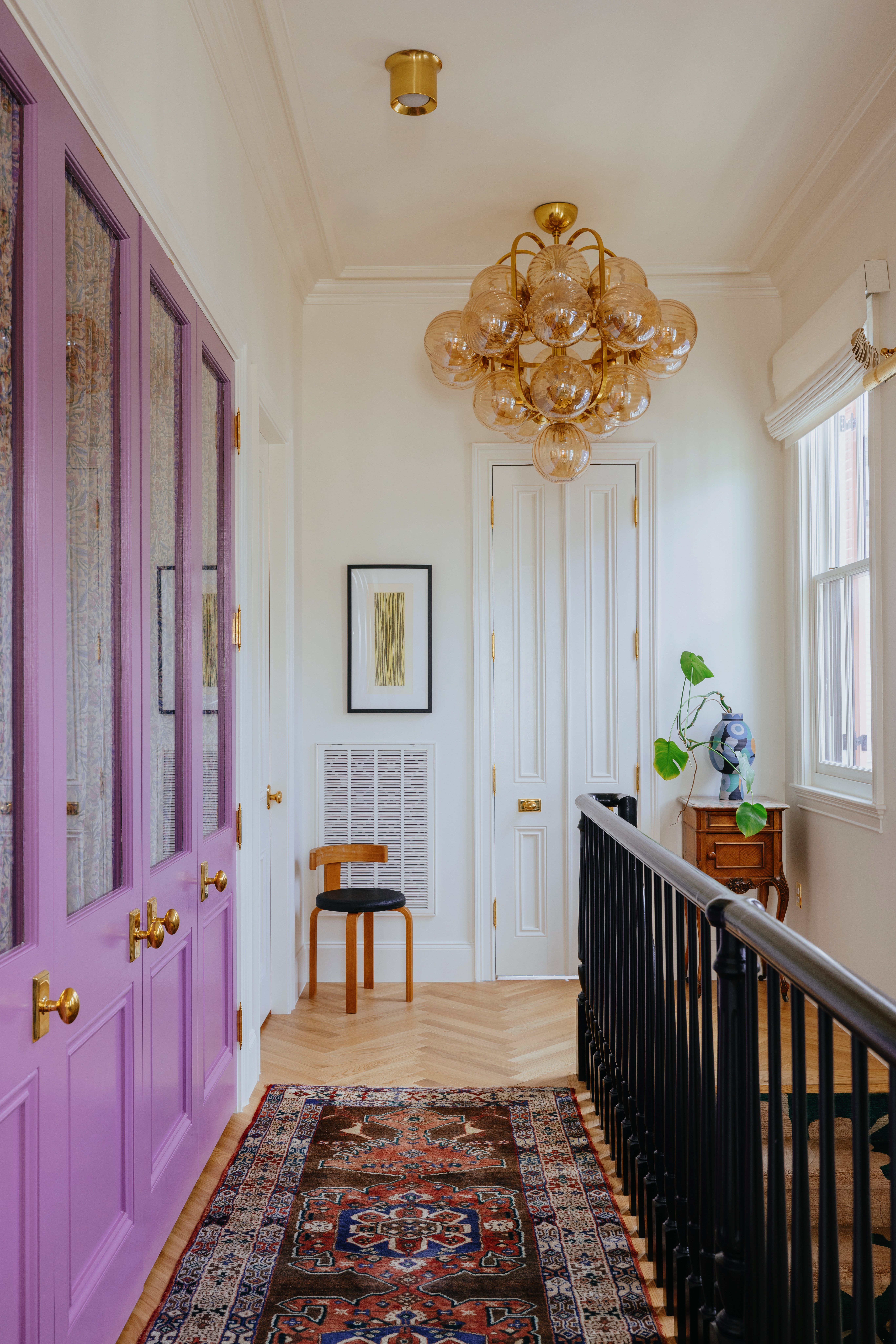
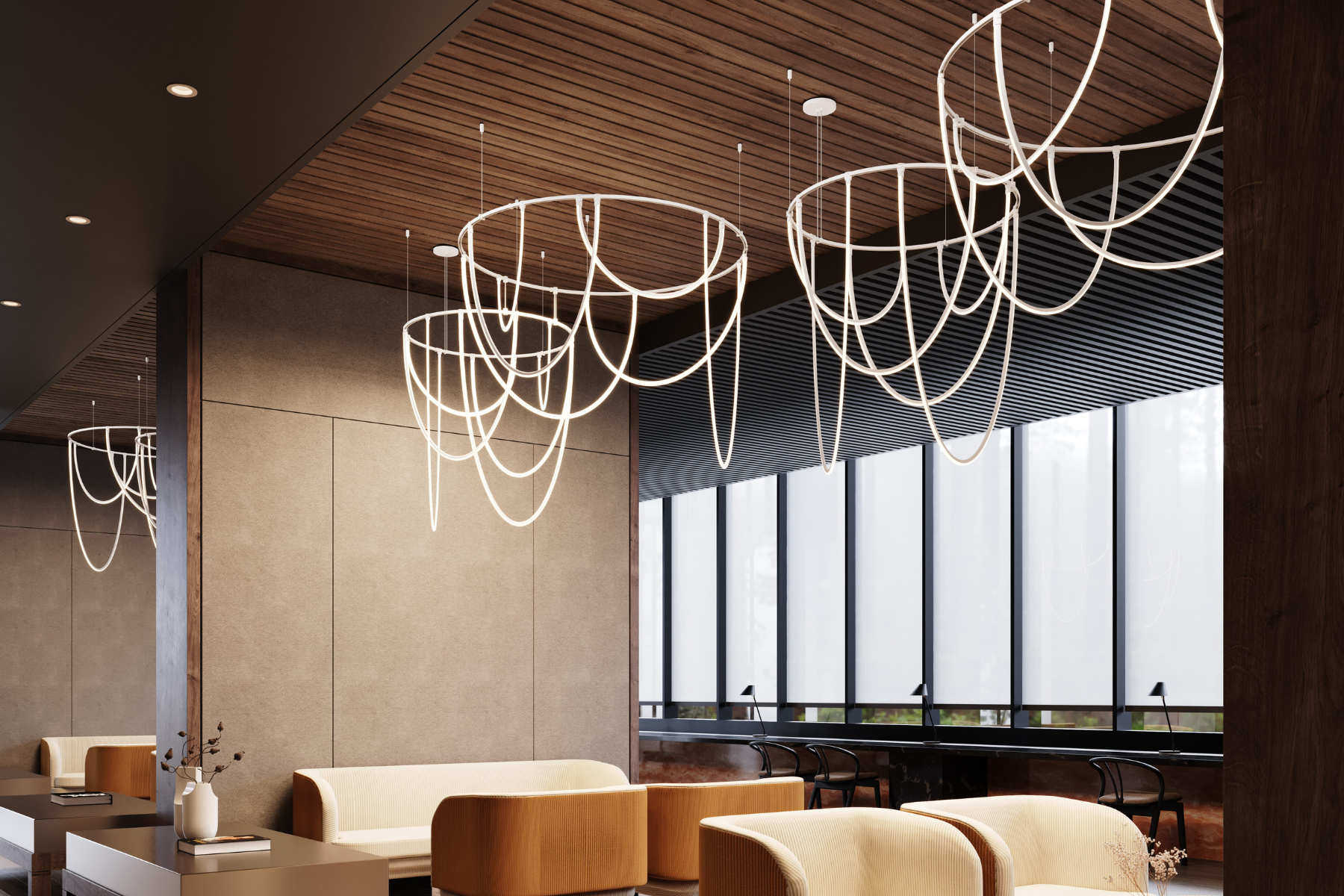
Cronus Chandelier by Corbett Lighting and Noxon Flush Mount by Hudson Valley Lighting
Is there an underrated detail of this project that you’re especially proud of?
Dabito: I am especially proud of the hardware placement throughout the entire house. It’s a subtle element, but the specific positioning creates a really intentional, custom feel.
What was the biggest challenge you faced in this project, and what did it teach you moving forward?
Dabito: Designing a ground-up meant tackling every single space simultaneously, which quickly brought on design fatigue. To manage the overwhelming feeling, I learned to treat the process like packing and moving out. I focused on one room at a time, finishing it completely before moving to the next. Staying sequential kept me grounded, rather than bouncing around and feeling like nothing was getting fully completed.
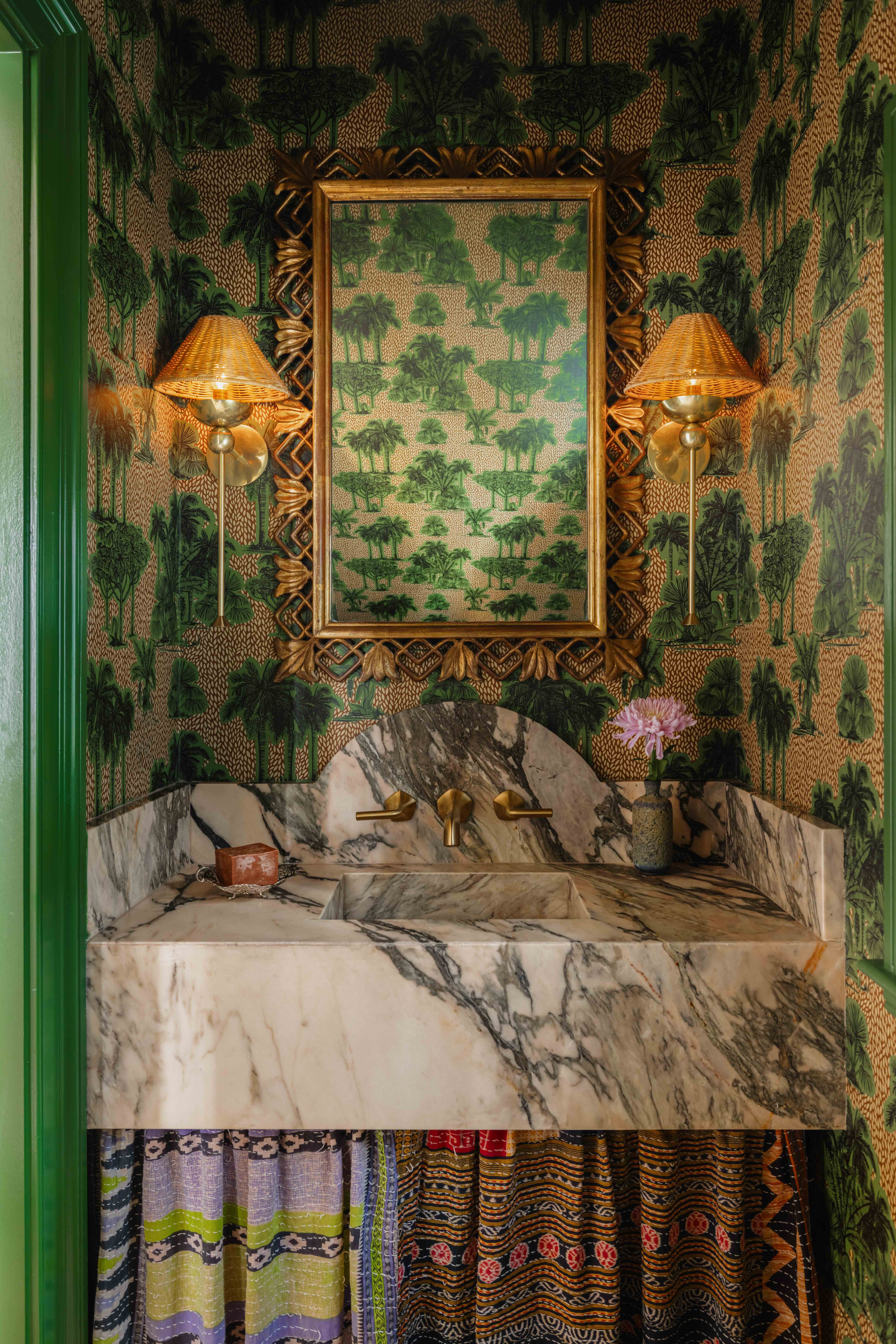
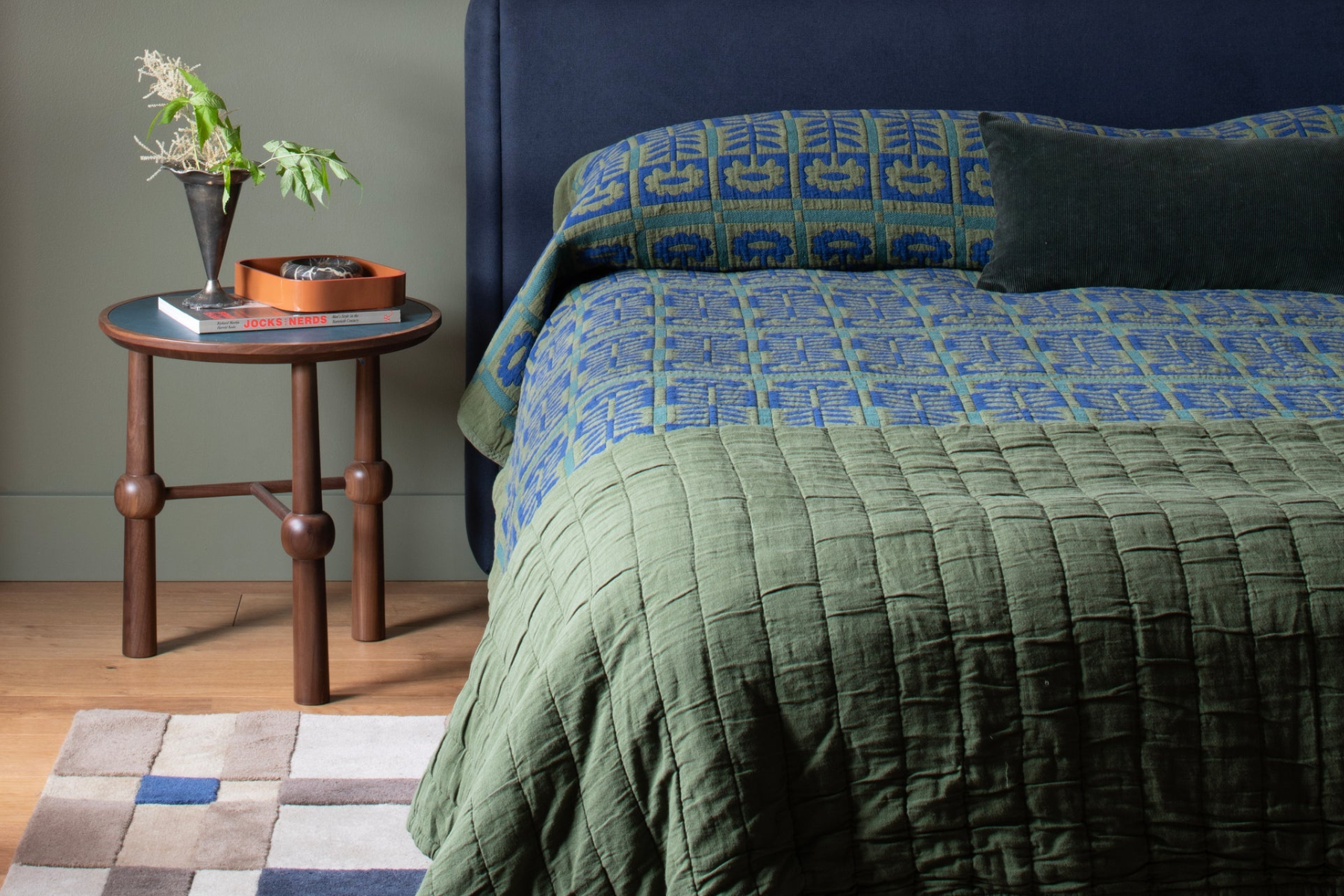
Perilla Wall Sconce by Mitzi
What advice would you give to someone designing a space today—especially those working with limited budgets or just starting out in the industry?
Dabito: I honestly thrive when working with a limited budget. Having constraints forces you to get really creative and think outside the box to deliver those memorable, high-impact moments. For anyone starting out, I would say: always ask design questions, stay intensely curious, and look for opportunities to break standard rules and practices.
If Dabito’s eclectic dream home has inspired you, explore all of his picks here.